What is the Difference Between a Regular MBA and a Global MBA?

Regular MBA vs Global MBA: What’s the Difference?

In the competitive landscape of the Singaporean job market, a Master of Business Administration (MBA) remains one of the most powerful tools for career acceleration. However, as you browse through MBA courses in Singapore, you will likely encounter a choice: the traditional regular MBA or the increasingly popular global MBA (GMBA).
While both provide a foundation in business leadership, the global prefix isn’t just a marketing buzzword. It represents a fundamental shift in how business is taught and practised. If you are a prospective student looking to secure your next big step in your education but is not yet sure if a MBA degree in Singapore is worth it, understanding these nuances is the first step towards choosing the right path for your future.
What is the Difference Between a Regular MBA and a Global MBA?
The primary distinction lies in the scope of the curriculum and the diversity of the cohort.
A regular MBA typically focuses on core business disciplines—finance, marketing, and operations—often through the lens of domestic or regional markets. These programmes are excellent for professionals who plan to build their careers within a specific country or a well-defined local industry.
In contrast, a GMBA is designed for the borderless economy. The curriculum is infused with international business strategies, cross-cultural management, and global supply chain logistics. At a Private Education Institution (PEI) in Singapore, a GMBA often features a highly international student body, allowing you to network with peers from various continents and cultural backgrounds.
Key Differences at a Glance
| Feature | Regular MBA | Global MBA (GMBA) |
| Market Focus | Domestic / Regional | International / Multinational |
| Cohort Diversity | Mostly Local Professionals | Highly International |
| Curriculum | Standard Business Functions | Global Strategy & Intercultural Leadership |
| Career Path | Local Leadership Roles | MNCs & International Assignments |
| Networking | Strong Local Industry Ties | Broad Global Alumni Network |
Is a Global MBA Worth It for Career Switching?

Yes, particularly if you are looking to move into a new industry or a more senior role in a Multinational Corporation (MNC).
For many professionals in Singapore, a part-time MBA degree is a strategic move to pivot from technical roles (like engineering or healthcare) into management. A GMBA is especially effective for career switchers because it equips you with transferable global skills. Employers in Singapore—a hub for over 7,000 MNCs—value candidates who can navigate the complexities of international trade and lead diverse teams.
The GMBA at MDIS, awarded by Abertay University, UK, specifically includes modules such as Global Strategy and International Business Environment, which provide the macro-level perspective required to jump from a niche technical role into a broader leadership position.
What are the Entry Requirements for a GMBA in Singapore?
Entry requirements can vary, but institutions like MDIS provide a clear pathway for both traditional students and experienced professionals. According to the MDIS Global MBA programme standards, applicants generally need:
- Academic Qualifications: An Honours degree (Class 2:2 or above) in any discipline.
- Alternative Pathway: Applicants without a degree but with significant managerial experience (typically 5 years or more) may be considered on a case-by-case basis.
- English Proficiency: For those whose first language is not English, a minimum IELTS score of 6.0 (with no element below 5.5) or an equivalent recognised qualification is required.
How Long Does a Global MBA Programme Take to Complete?
In Singapore, the duration of an MBA depends on your chosen study mode. One of the primary benefits of pursuing a GMBA at a PEI in Singapore, such as MDIS, is the streamlined timeline:
- Full-Time GMBA: This is an intensive route designed for completion in 12 months. It is ideal for those looking to re-enter the workforce with enhanced credentials in just one year.
- Part-Time GMBA: Tailored for working professionals, this mode typically takes 18 months. This allows you to apply your learning immediately in your current workplace while maintaining your full-time career.
Pros and Cons of a Global MBA
Pros
- International Mobility: Opens doors to roles in overseas offices and global headquarters.
- Cultural Intelligence: You learn to lead teams across different time zones and cultural norms—a vital skill in Singapore’s diverse workforce.
- Fast-Track Growth: Specifically tailored to help you climb the ladder in global firms rather than staying limited to local SMEs.
Cons
- Intensity: The fast-paced nature of a 12-month GMBA requires high levels of discipline.
- Global Networking Focus: If your goal is strictly to work in a small, local family business, some of the international modules may feel less immediately applicable.
Taking the Next Step in Your Career with MDIS
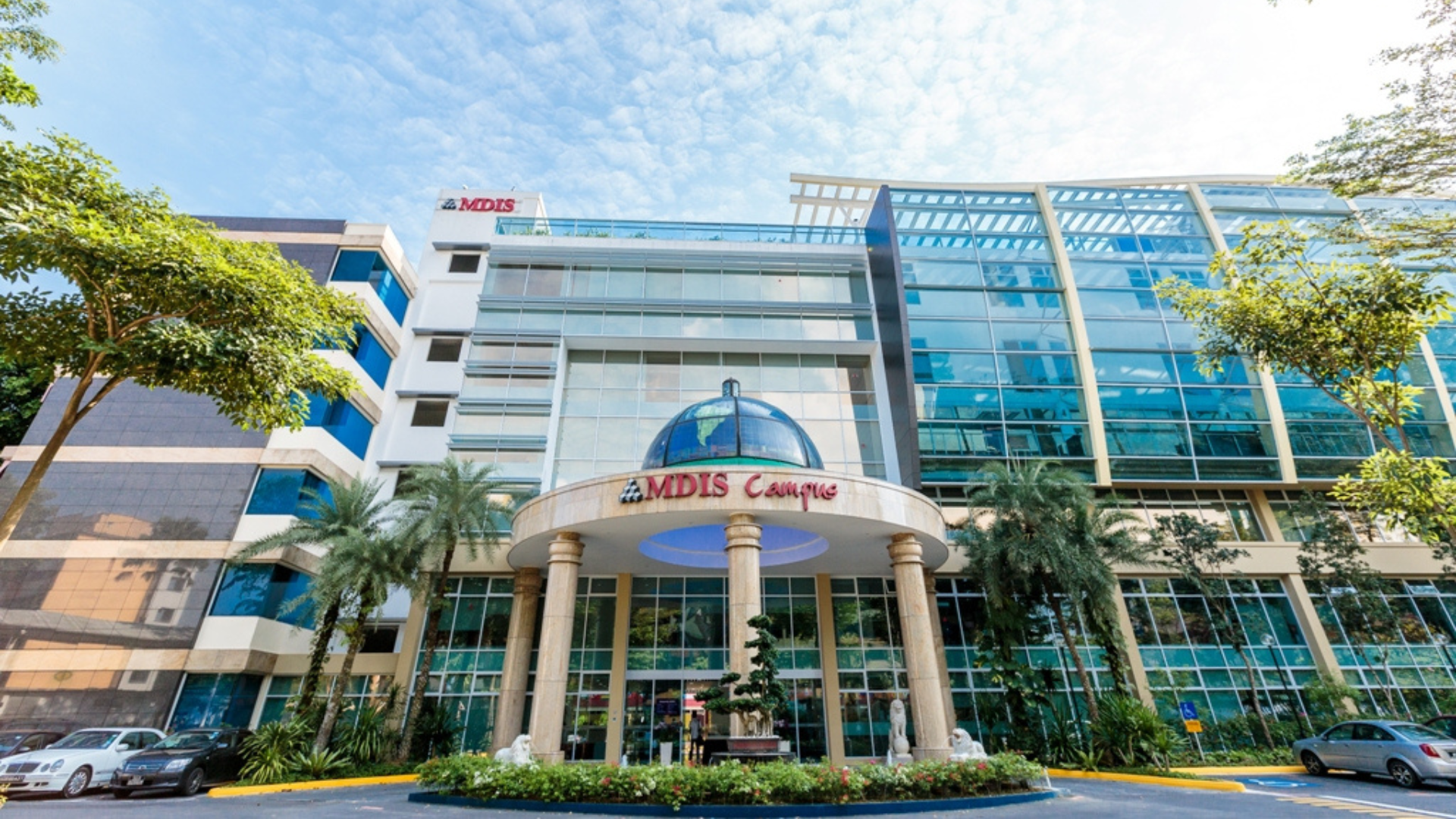
Choosing between a Regular MBA and a Global MBA is a decision that will shape the next decade of your professional life. For those in Singapore looking for a programme that balances academic rigour with global perspectives, the Management Development Institute of Singapore (MDIS) offers a compelling environment.
As a leading PEI in Singapore, MDIS provides a Global MBA that is both industry-relevant and globally recognised. Whether you are looking for a full-time or part-time GMBA to elevate your career, the GMBA programme at MDIS, awarded by Abertay University, UK, is tailored to the demands of today’s borderless economy.
Ready to transform your career?
Contact us to enquire about our GMBA course today.