Are Biomedical Science Courses Worth Taking in Singapore? | Your 2026 Education Guide
Singapore’s healthcare and manufacturing ecosystems have grown rapidly over the last decade. As the nation deepens its footprint as a global biomedical hub under the Research, Innovation and Enterprise (RIE2025) and upcoming RIE2030 plans, many prospective students are asking: Are biomedical science courses in Singapore worth the investment of time and tuition fees?
Deciding on a tertiary path requires balancing your scientific passion with real-world industry realities. This comprehensive guide breaks down the value, academic pathways, career prospects, and common pitfalls of pursuing a life sciences education in Singapore.
Quick Takeaways: Is It Worth It?
If you want the short answer: yes, but with careful planning. A biomedical science degree or diploma offers immense value if you intend to work in clinical research, medical laboratories, or pharmaceutical manufacturing. However, it is not a direct, automatic golden ticket to becoming a medical doctor, nor is it a pure corporate business desk job.
Core Considerations
- High Industry Demand: Singapore houses world-class manufacturing pharmaceutical plants from global giants like Pfizer, Novartis, and Amgen.
- Specialisation Matters: General degrees face stiffer competition; specialising in high-growth niches like clinical genetics or molecular diagnostics commands a premium.
- Practical Experience is King: Employers look heavily at your technical competencies and time spent inside active laboratories using modern diagnostics equipment.
Navigating the Biomedical Academic Pathway
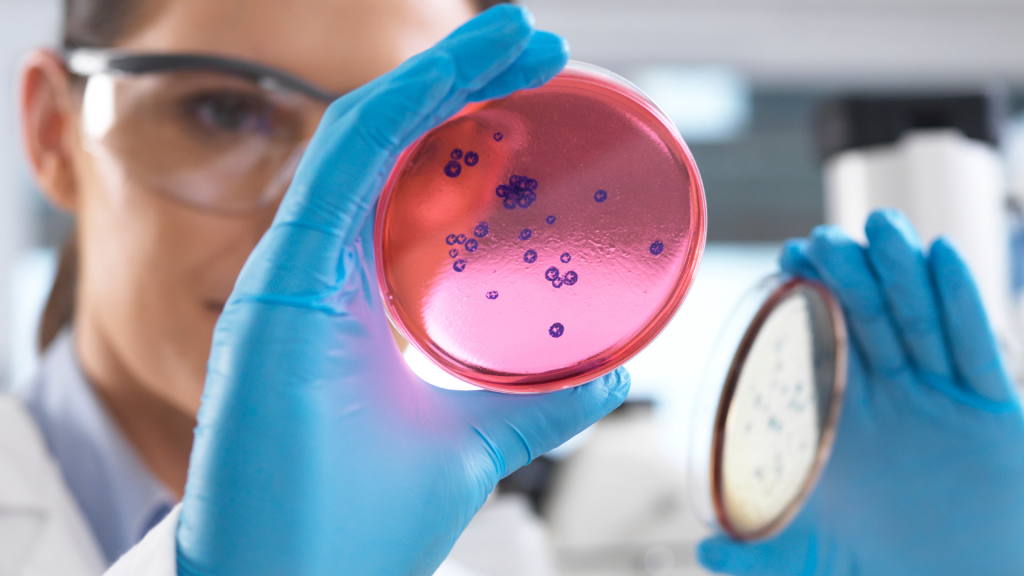
Entering the biomedical sector requires choosing the right academic tier based on your current qualifications and career goals. The journey usually takes one of three shapes:
[International Foundation Diploma] ➔ [Diploma in Biomedical Science] ➔ [BSc (Hons) Biomedical / Health Sciences]
The Progression Breakdown
- Diploma Level: A diploma in biomedical science programme provides a fundamental baseline. It introduces you to foundational modules like cell biology, basic microbiology, and chemistry. It is ideal for O-Level or IGCSE graduates seeking immediate technical roles or a stepping stone to higher education.
- Undergraduate Level: Earning a full biomedical science degree opens advanced pathways. Key focus areas expand into molecular biology, clinical biochemistry, and immunology. These programmes prepare you for clinical trials, research roles, and laboratory management.
- Alternative Pathways: For those focused on wider public health systems, clinical administration, or community healthcare delivery, a health science degree offers a compelling alternative to strict laboratory research.
Comparing the Landscape: Pros and Cons
To evaluate if these life science courses in Singapore match your expectations, consider this objective performance breakdown:
| Criteria | Advantages (The Pros) | Challenges (The Cons) |
| Career Stability | Resilient sector with strong government backing and continuous local venture funding. | Early-career laboratory roles require strict compliance, shifting schedules, and repetitive testing protocols. |
| Earning Potential | Specialised technical skills (e.g., cell therapy, gene sequencing) command a competitive salary premium over general science roles. | Baseline entry-level salaries can start lower than hyper-scaled tech or finance sectors before specialised experience is accumulated. |
| Skill Versatility | Equips you with deep transferable analytical, diagnostic, and data analysis skills useful in medical publishing, patents, and pharmaceuticals. | Heavy academic workload requiring intensive memorisation of anatomy, complex metabolic pathways, and pathology. |
Answering Key Student Dilemmas

Which part-time Biomedical Science courses are available for adults?
For working professionals holding an engineering or science-related diploma, upgrading your qualifications while remaining employed is highly achievable. A part-time biomedical science degree runs for 24 to 36 months with evening or weekend classes, mirroring the exact academic rigour and syllabus of full-time tracks but grants the flexibility needed to maintain career momentum and steady income.
Can I become a doctor with a Biomedical Science degree in SG?
This is a common point of confusion. Completing a biomedical science course in Singapore and getting a degree does not automatically license you to practise as a medical doctor or physician.
To practise medicine in Singapore, you must possess a medical degree recognised by the Singapore Medical Council (SMC). However, an undergraduate biomedical science degree functions as an excellent preparatory foundation if you plan to apply for post-graduate medical routes that accept degree holders from diverse scientific backgrounds.
What are the career prospects for Masters in Biomedical Science?
A postgraduate Master’s degree shifts your professional scope away from routine testing and pushes you toward strategic leadership. Common high-tier career pathways include:
- Principal Investigator / Senior Scientist: Leading independent disease or vaccine research projects within public research institutes or private biotechnology firms.
- Clinical Trial Manager: Overseeing complex multi-centre regulatory trials for pharmaceutical companies.
- Bioinformatics Specialist: Utilising computational data models to track clinical genetics and infectious diseases.
Three Common Mistakes Students Make
- Mistake 1: Relying Purely on Theory. Memorising textbooks won’t impress a laboratory hiring manager. Ensure your chosen institution features extensive hands-on training using modern diagnostic equipment.
- Mistake 2: Missing the Honours Component. In scientific research, a standard Bachelor’s degree without an Honours classification can restrict your entry into top-tier research institutes or higher postgraduate tracks.
- Mistake 3: Overlooking the Partner University. For private education pathways, ensure the degree-awarding university is globally recognised and carries a well-regarded reputation in the sciences.
Where Does MDIS Fit Into Your Journey?
If you are exploring your tertiary options, the Management Development Institute of Singapore (MDIS) provides robust, career-ready pathways through its life sciences curricula. Developed in partnership with well-regarded global institutions like Teesside University, UK, MDIS offers a spectrum of full-time and part-time biomedical science courses designed to minimise friction for students and working adults alike.
Academic Framework & Advantages
- Honours-Focused Curriculums: Programmes like the Bachelor of Science (Hons) Biomedical Sciences and Bachelor of Science (Hons) Health Sciences equip students with the advanced coursework and critical research skills preferred by top employers.
- Dedicated On-Campus Labs: Students do not just learn from slides; they complete practical modules within laboratory facilities located right on the MDIS campus, gaining hands-on exposure to advanced molecular testing tools.
- Flexible Entry Points: Whether you hold O-Levels and need to start at the International Foundation Diploma in Biomedical Sciences level, or carry a polytechnic diploma and qualify for direct entry, the academic tracks accommodate varied backgrounds.
Discover Your Future in Life Sciences
Navigating your educational route in the sciences doesn’t have to be overwhelming. If you want to dive deeper into module details, intake dates, or scholarship options for our biomedical and health tracks, our programme consultants are ready to assist.
Contact us today and enquire about our Life Sciences courses to take your next definitive step toward a rewarding scientific career.