MDIS Blog

Main Menu

MENUMENU
  • Home
  • Topics
        • Business & Management
        • Career Management
        • College
        • Engineering
        • Event
        • Fashion & Design
        • Health & Nursing
        • Information Technology
        • Languages
        • Life Sciences
        • Lifestyle
        • MDC
        • Media & Communications
        • Psychology
        • Safety Management
        • Tourism & Hospitality
        • Uncategorized
  • Campus
  • Student Life
  • Preview Sessions
  • + Become A Contributor

logo

Header Banner

MDIS Blog

MENUMENU
  • Home
  • Topics
        • Business & Management
        • Career Management
        • College
        • Engineering
        • Event
        • Fashion & Design
        • Health & Nursing
        • Information Technology
        • Languages
        • Life Sciences
        • Lifestyle
        • MDC
        • Media & Communications
        • Psychology
        • Safety Management
        • Tourism & Hospitality
        • Uncategorized
  • Campus
  • Student Life
  • Preview Sessions
Languages
Home›Languages›Learning in the 21st Century

Learning in the 21st Century
By MDIS
18th November 2017
5399
0
learning

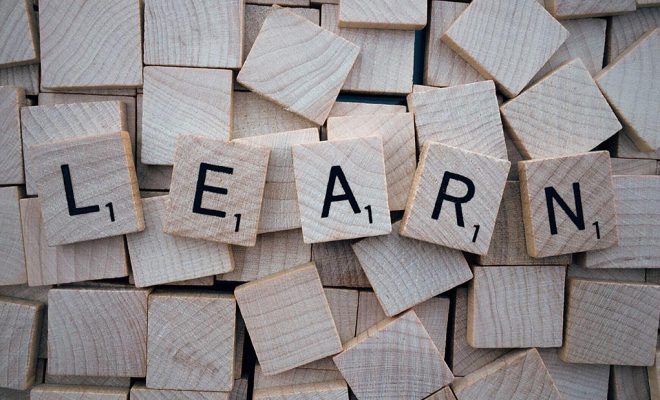
Gone are the days of chalk and talk, or when the teacher was a sage on the stage. Welcome to the 21st century, where knowledge is power and where students are not just passive recipients of knowledge, but collaborators in knowledge building.

Which brings us to the question, ‘What exactly are the skills needed for successful language learning in the modern day classroom?’ To identify these skills, it is important that we first understand the four aspects that underpin the classroom of today; communication, critical thinking, creativity and collaboration. In this entry, we will deal with the first two aspects of learning in the 21st century; communication and critical thinking.

Communication

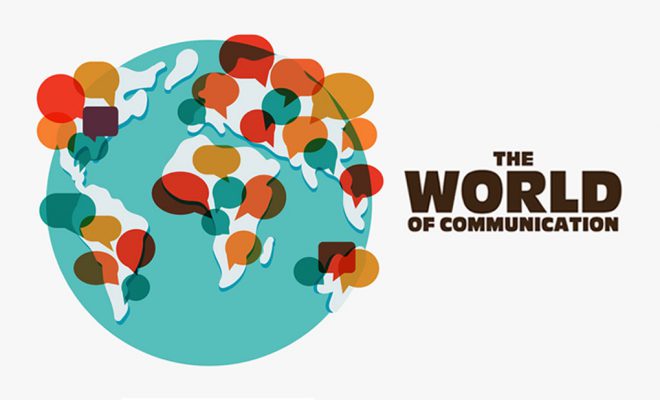
Students these days communicate through different means. While face to face communication is still the primary mode of instruction, learning to effectively communicate in today’s fast paced world also sees the need for individuals to tap on different mediums of communication to enhance their learning experience. As such, in today’s language classroom, teachers need to familiarise and expose their students to both synchronous and asynchronous communication channels. This simple step forward will go a long way in promoting interaction and communication not just within the classroom, but also beyond the four walls of the physical classroom. Remember, the classroom is only what you define it to be.

Critical thinking

Information flow is borderless and limitless in today’s society. Therefore, it is essential that learners are able to not only compare and evaluate facts and opinions, but also make decisions based on the information that they receive. Critical thinking requires individuals to go beyond just knowing, but also understanding and applying information to solve problems and create solutions.

The concept of developing student’s thinking skills is not something new, but the ways in which we do so needs to change. We need to teach learners to not just think and internalise knowledge, but also contextualise it. Lessons therefore need to become catalyst to further thinking and evaluation of received information.

Tags21st Century Education
Previous Article

Interdisciplinary Workshop –“Personal Branding” by Mr Darwin ...

Next Article

Studying Tips: Identifying distractions and how to ...

MDIS

MDIS

Founded in 1956, the Management Development Institute of Singapore (MDIS) is one of Singapore’s oldest not-for-profit professional institutes for lifelong learning. MDIS has two main subsidiaries: Management Development Institute of Singapore Pte Ltd which oversees its Singapore academic operations, and MDIS International Pte Ltd which focuses on MDIS’ globalisation strategy. MDIS offers internationally-accredited courses in Business and Management, Engineering, Fashion and Design, Health and Nursing, Health Sciences, Information Technology, Languages and Education, Life Sciences, Media and Communications, Psychology, Tourism and Hospitality Management, and Safety and Environmental Management. These programmes are offered in collaboration with renowned universities in the United Kingdom and the United States of America. MDIS also has set a proven track record of preparing students to excel in the Singapore-Cambridge General Certificate of Education (Ordinary and Advanced Level), Cambridge International General Certificate of Secondary Education (IGCSE) and Cambridge International Lower Secondary, through its comprehensive preparatory courses.

Related articles More from author

  • Lady wearing a graduation cap and smiling.
    Languages

    Tips to Getting Your Master’s Degree in Education

    23rd December 2021
    By MDIS
  • language school
    Languages

    Creative and Collaborative Skills for the 21st Century Success

    15th December 2017
    By MDIS
  • Students discussing school workin the classroom.
    Featured BK RowLanguages

    One day at a time: Recollections of 2017

    16th January 2018
    By MDIS
  • Globalisation's Impact on Higher Education
    Featured BK RowLanguages

    Globalisation’s impact on Higher Education

    23rd April 2021
    By MDIS
  • MDIS Immersion programmes
    Featured BK RowLanguages

    MDIS Immersion programmes

    30th April 2018
    By MDIS
  • Knowledge Economy
    Featured PostLanguages

    English and the Knowledge Economy

    7th October 2017
    By MDIS

You may also like

  • first impression
    Business & ManagementFeatured BK RowFeatured Full Width Slider

    Sure-win tips on making a good first impression

  • Featured Full Width SliderLife Sciences

    Pigs as Models in Understanding Cardiovascular Diseases

  • Vietnamese Food
    Featured Full Width SliderFeatured PostTourism & Hospitality

    Flavours of Vietnam

THINK SUCCESS. THINK MDIS.
Copyright© 2022. MDIS Blog. All Rights Reserved.
     
Where lifelong learning begins